

Workers' Compensation Insurance Requirements by State
Workers' Compensation Insurance Requirements by State
Workers' compensation insurance is a crucial aspect of business operations, providing essential protection for employees injured on the job. Each state in the U.S. has its own set of requirements regarding workers' compensation insurance, and understanding these differences is key for business owners to ensure compliance and safeguard their employees. In this article, we will explore the workers' compensation insurance requirements by state, highlighting the essential points you need to know.
Index
What is Workers' Compensation Insurance?
Workers' compensation insurance is a form of insurance that provides medical benefits and wage replacement to employees injured in the course of their employment. In exchange for these benefits, employees typically relinquish their right to sue their employer for negligence. This system aims to protect both employees and employers, ensuring that injured workers receive prompt medical care while limiting the legal liability of businesses.
Overview of State Requirements
The requirements for workers' compensation insurance can vary significantly from state to state. While most states mandate that businesses carry this insurance, the specifics—such as coverage limits, exemptions, and penalties for non-compliance—can differ. Below, we outline general categories of requirements and provide examples from various states.
1. States Requiring Workers' Compensation Insurance
Most states in the U.S. require businesses with employees to carry workers' compensation insurance. However, the thresholds for when coverage is required can vary:
- Mandatory Coverage: States like California, Texas, and New York require nearly all employers to have workers' compensation insurance, regardless of the number of employees.
- Threshold Policies: Some states, like Florida and Georgia, require coverage only if a business has a certain number of employees (e.g., four or more). In these cases, businesses below the threshold are not required to obtain coverage.
2. Exemptions to Coverage
In several states, certain types of businesses or employees may be exempt from carrying workers' compensation insurance:
- Small Businesses: In states like Texas, employers with fewer than three employees can opt out of coverage.
- Independent Contractors: Many states do not require coverage for independent contractors, but definitions can vary, so it’s essential to understand local laws.
- Specific Industries: Some states may have exemptions for particular industries, such as agriculture or sole proprietorships.
3. Coverage Requirements and Benefits
States also differ in the specifics of what workers' compensation insurance must cover:
- Medical Benefits: All states provide medical benefits for work-related injuries, including doctor visits, hospitalization, and rehabilitation.
- Wage Replacement: Most states offer partial wage replacement, typically around two-thirds of the employee's average weekly wage.
- Disability Benefits: Some states provide additional benefits for permanent disabilities, while others may have caps on the total amount paid.
4. Penalties for Non-Compliance
Failure to comply with workers' compensation insurance requirements can lead to significant penalties:
- Fines: States can impose fines on businesses that do not maintain proper coverage.
- Legal Liability: Employers may face lawsuits from injured employees if they fail to carry insurance. This can result in substantial financial losses.
- Business Closure: In severe cases, states may revoke a business's operating license for failing to comply with workers' compensation laws.
State-Specific Requirements
Here’s a brief overview of the workers' compensation insurance requirements in several key states:
California
California mandates that all employers provide workers' compensation insurance for their employees. There are no minimum employee thresholds, and penalties for non-compliance can include fines and legal repercussions.
Texas
Texas is unique as it does not require employers to carry workers' compensation insurance. However, if they choose to opt out, they must inform their employees in writing. Employers opting out may expose themselves to higher liability risks.
New York
In New York, workers' compensation insurance is compulsory for most employers. Businesses must have coverage as soon as they hire their first employee, and they can face fines for failing to comply.
Florida
In Florida, businesses with four or more employees must provide workers' compensation insurance, while construction companies must have coverage regardless of the number of employees. Penalties for non-compliance include fines and potential legal action.
Conclusion
Understanding workers' compensation insurance requirements by state is vital for every business owner. Not only does it protect employees, but it also safeguards businesses from potential financial pitfalls associated with workplace injuries. Given the complexities and variations in regulations, it is advisable for business owners to consult with an insurance professional or legal expert to ensure compliance with state-specific requirements. By staying informed and proactive, you can create a safer workplace and protect your business from the risks associated with employee injuries.
Errors & Omissions Insurance for Consultants and Freelancers

How to File a Commercial Insurance Claim Without Disrupting Operations

Agriculture and Farm Insurance: Protecting Crops, Equipment, and Livestock

Liquor Liability Insurance: Essential Coverage for Restaurants and Bars
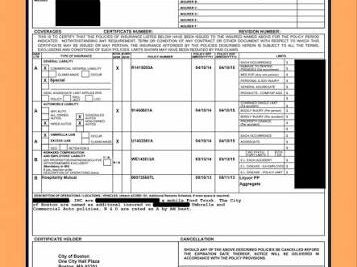
What Is a Certificate of Insurance (COI) and Why Clients Ask for It

Subcontractor vs. Independent Contractor: Insurance Liabilities
Leave a Reply