

The True Cost of Minimum Coverage Car Insurance in High-Risk States
The True Cost of Minimum Coverage Car Insurance in High-Risk States
When it comes to car insurance, understanding the balance between coverage and cost is crucial, especially in high-risk states. Minimum coverage car insurance often appears to be an attractive option for budget-conscious drivers. However, it’s essential to delve deeper into the implications of this choice. This article explores the true cost of minimum coverage car insurance in high-risk states, examining potential pitfalls, benefits, and factors to consider when making your decision.
Index
What is Minimum Coverage Car Insurance?
Minimum coverage car insurance refers to the least amount of insurance required by law to operate a vehicle legally. Each state has its own minimum coverage requirements, which can include:
- Bodily Injury Liability: Covers injuries to others in an accident you cause.
- Property Damage Liability: Covers damage to another person’s property.
- Personal Injury Protection (PIP) or Medical Payments: Covers your medical expenses and, in some cases, those of your passengers.
While minimum coverage is designed to provide basic protection, it may not be sufficient in high-risk states where the likelihood of accidents and claims is elevated.
The Risks of Choosing Minimum Coverage
Opting for minimum coverage can seem financially savvy at first, but it comes with significant risks, particularly in high-risk states. Here are some key points to consider:
1. Inadequate Protection
In high-risk states, the chances of accidents are higher due to factors like poor weather, heavy traffic, and aggressive driving behaviors. Minimum coverage often leaves drivers vulnerable in the event of a serious accident. If you cause significant injury or damage, you may find that your coverage limits do not fully compensate the injured parties, leading to potential out-of-pocket expenses that can be financially devastating.
2. Increased Premiums Over Time
While minimum coverage typically comes with lower premiums initially, it can lead to higher costs in the long run. If you are involved in an accident and make a claim, your insurance premiums may increase substantially. In high-risk states, where accidents are more frequent, this can result in a cycle of rising costs that may negate any initial savings.
3. Legal Consequences
Driving with only minimum coverage can also expose you to legal risks. In high-risk states, penalties for inadequate insurance can include hefty fines, license suspension, or even legal actions from other parties involved in an accident. This can further compound your financial situation, making it essential to consider whether minimum coverage is worth the risk.
Benefits of Minimum Coverage Car Insurance
Despite the risks, there are some benefits to minimum coverage that may be appealing, especially for those on a tight budget:
1. Lower Monthly Premiums
For those who need to save money, minimum coverage offers the most affordable option. This can provide immediate financial relief, allowing drivers to allocate funds to other essential expenses. However, it’s crucial to weigh this benefit against potential long-term costs.
2. Compliance with State Laws
Minimum coverage ensures that you meet your state’s legal requirements for insurance. This can help you avoid fines and penalties associated with driving uninsured. However, compliance should not be the only factor in your decision-making process.
Factors to Consider When Choosing Coverage
When deciding on the right amount of coverage in a high-risk state, consider the following factors:
- Your Driving History: If you have a history of accidents or traffic violations, it may be wise to opt for more than minimum coverage to protect yourself and others.
- Type of Vehicle: The value and type of your car can influence your coverage needs. More expensive or high-performance vehicles may require higher coverage limits to protect your investment.
- Your Financial Situation: Assess your ability to pay any potential out-of-pocket costs in the event of an accident. If you can’t afford substantial expenses, additional coverage may be necessary.
- Local Risk Factors: Research accident statistics and traffic conditions in your area. If the data suggests a high risk of accidents, it may be prudent to consider more comprehensive coverage.
Alternatives to Minimum Coverage
If you’re concerned about the limitations of minimum coverage, consider these alternatives:
- Full Coverage Insurance: This includes liability, collision, and comprehensive coverage, providing broader protection against various risks.
- Higher Liability Limits: Increasing your liability limits can help protect you financially in the event of a serious accident.
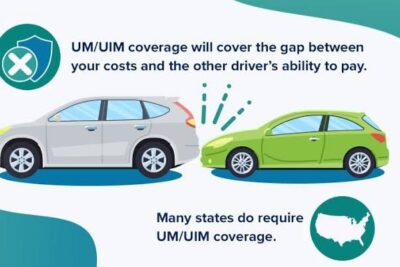
- Uninsured/Underinsured Motorist Coverage: This coverage protects you if you’re involved in an accident with a driver who lacks sufficient insurance.
Conclusion
While minimum coverage car insurance may seem like a practical choice in high-risk states, it’s essential to understand the potential long-term costs and risks involved. By evaluating your situation and considering the factors discussed, you can make an informed decision about the level of coverage that best meets your needs. Remember, the goal is not just compliance with legal requirements but also ensuring that you are adequately protected on the road.
Best Ways to Insure Multiple Cars on the Same Household Policy

Can You Transfer Car Insurance to Another Person? A Step-by-Step Guide

Classic Car Insurance: Coverage Requirements and Valuation Rules

How a DUI Affects Your Auto Insurance for the Next 5 Years
Uninsured Motorist Coverage: Why You Can’t Afford to Skip It

Telematics Car Insurance: Do Track-and-Save Programs Really Work?
Leave a Reply