

Term Life Insurance vs. Whole Life Insurance: Which Is Right for You?
Term Life Insurance vs. Whole Life Insurance: Which Is Right for You?
Choosing the right life insurance policy can be a daunting task, especially with various options available in the market. Two of the most common types of life insurance are term life insurance and whole life insurance. Each offers distinct benefits and limitations, making it essential to understand how they differ. In this article, we’ll explore the fundamental characteristics of both types of insurance, helping you make an informed decision about which one might be the best fit for your needs.
Index
Understanding Term Life Insurance
Term life insurance provides coverage for a specified period, typically ranging from 10 to 30 years. If the insured passes away during this term, the beneficiaries receive a death benefit. If the insured outlives the term, the policy expires, and no benefits are paid out. Here are some key features of term life insurance:
- Affordability: Term life policies often have lower premiums compared to whole life policies, making them an attractive option for budget-conscious individuals.
- Temporary Coverage: Ideal for those who need coverage for a specific period, such as until children are grown or a mortgage is paid off.
- No Cash Value: Unlike whole life insurance, term life policies do not accrue cash value. Their primary purpose is to provide a death benefit.
- Renewal Options: Many term policies offer renewal options at the end of the term, although premiums may increase significantly.
Exploring Whole Life Insurance
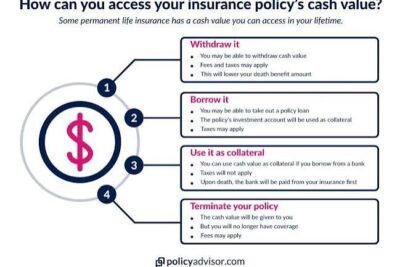
Whole life insurance, on the other hand, is a type of permanent insurance that provides coverage for the entire life of the insured, as long as premiums are paid. Additionally, whole life policies accumulate cash value over time, which can be borrowed against or withdrawn. Here are some of the main features of whole life insurance:
- Permanence: Whole life insurance covers you for your entire life, ensuring a death benefit is paid out as long as premiums are current.
- Cash Value Accumulation: A portion of your premium goes into a cash value account, which grows at a guaranteed rate and can be accessed during your lifetime.
- Higher Premiums: Whole life policies typically have higher premiums compared to term life policies due to their lifelong coverage and cash value component.
- Stable Premiums: Premiums remain constant throughout the life of the policy, making it easier to budget for long-term financial planning.
Key Differences Between Term and Whole Life Insurance
When comparing term life insurance and whole life insurance, several key differences can help clarify which option may be right for you:
Duration of Coverage
Term life insurance covers a specific period, while whole life insurance is designed to last for your entire life. If you are looking for temporary coverage, term life may be more suitable.
Cost
Generally, term life insurance is more affordable than whole life insurance. If budget is a significant concern, term life might be the better option for you.
Cash Value
Whole life insurance policies build cash value over time, which can be a source of funds for emergencies or other financial needs. Term life insurance does not have this feature, making it purely a death benefit policy.
Investment Component
Whole life insurance can be seen as a combination of insurance and investment, while term life insurance is purely for protection. If you are looking for an investment component, whole life may be more appealing.
Who Should Consider Term Life Insurance?
Term life insurance may be a suitable choice for:
- Young families needing affordable coverage to protect their financial future.
- Individuals with temporary financial obligations, such as a mortgage or education expenses for children.
- Those seeking to supplement other long-term investment strategies without the higher cost of whole life insurance.
Who Should Consider Whole Life Insurance?
Whole life insurance may be appropriate for:
- Individuals looking for lifelong coverage and peace of mind that their beneficiaries will receive a payout regardless of when they pass away.
- Those interested in building cash value that can be accessed in the future for loans or withdrawals.
- People who prefer stable, predictable premiums and are looking for a long-term financial planning tool.
Conclusion
Deciding between term life insurance and whole life insurance ultimately comes down to your personal financial situation, goals, and preferences. Term life insurance is ideal for those seeking affordable, temporary coverage, while whole life insurance appeals to those who desire lifelong protection and a cash value component. By carefully considering your needs and circumstances, you can make an informed choice that secures your financial future and provides peace of mind for you and your loved ones.
How Divorce Affects Your Health and Life Insurance Beneficiaries

Child Life Insurance Riders: Are They a Good Investment?

Accidental Death and Dismemberment (AD&D) Insurance Explained

Health Insurance Marketplace (Obamacare): Open Enrollment Deadlines

How to Prepare for a Life Insurance Medical Exam
Universal Life Insurance: Cash Value Growth and Associated Risks
Leave a Reply