

RV and Motorhome Insurance vs. Auto Insurance Policies
RV and Motorhome Insurance vs. Auto Insurance Policies
When it comes to safeguarding your vehicle, understanding the differences between RV and motorhome insurance and standard auto insurance is crucial. Both types of insurance serve to protect you, but they cater to very different vehicles and needs. In this article, we'll explore the distinctions, coverage types, and what you should consider when choosing the right policy for your situation.
Index
Understanding RV and Motorhome Insurance
RV and motorhome insurance is specifically designed for recreational vehicles, which include motorhomes, campervans, and travel trailers. These vehicles not only serve as transportation but also as homes away from home. Given their unique use, RV insurance policies typically offer coverage that goes beyond what standard auto insurance provides.
Key Features of RV and Motorhome Insurance
- Comprehensive Coverage: This protects you from damages caused by non-collision events such as theft, vandalism, or natural disasters.
- Liability Coverage: Offers protection in the event that you cause an accident resulting in injury or property damage to others.
- Personal Property Coverage: Protects your belongings within the RV, including furniture, electronics, and other personal items.
- Full-Time Living Coverage: If you live in your RV full-time, this coverage option can provide additional benefits relevant to your lifestyle.
- Roadside Assistance: Many RV policies include or offer optional roadside assistance tailored for larger vehicles.
Understanding Auto Insurance Policies
Auto insurance is designed for standard vehicles such as cars, trucks, and SUVs. These policies are generally simpler and focus primarily on the vehicle's operation on the road. While you can add various coverages, the core focus remains on protecting the vehicle and its occupants.
Key Features of Auto Insurance
- Liability Coverage: Required in most states, this covers damages to others if you are at fault in an accident.
- Collision Coverage: This pays for damages to your vehicle after a collision, regardless of fault.
- Comprehensive Coverage: Similar to RV insurance, this protects against non-collision damages.
- Medical Payments Coverage: Covers medical expenses for you and your passengers after an accident.
- Uninsured/Underinsured Motorist Coverage: Provides coverage if you're involved in an accident with a driver who lacks sufficient insurance.
Major Differences Between RV and Motorhome Insurance and Auto Insurance
While both insurance types share basic components, several major differences set them apart.
1. Vehicle Use and Lifestyle
RV and motorhome insurance is tailored for those who use their vehicles as a primary form of accommodation or travel frequently for recreation. Conversely, auto insurance is designed for vehicles used primarily for daily commuting and transportation.
2. Coverage Options
RV insurance often includes specialized coverages such as vacation liability, which protects you while parked at a campsite, and personal effects coverage for items inside the RV. Auto insurance, while it can be customized, typically does not include these specific protections.
3. Cost Considerations
Insurance premiums for RVs and motorhomes can differ significantly from those for standard vehicles. Factors such as the size, value, and usage of the RV can influence costs. While auto insurance may be less expensive on average, this varies based on individual circumstances.
4. Policy Length and Flexibility
RV insurance policies may offer flexible terms that are better suited for seasonal travelers or full-time RVers. Auto insurance policies are generally consistent throughout the year, although you may adjust your coverage based on your needs.
Factors to Consider When Choosing Between Policies
When deciding whether to opt for RV and motorhome insurance or stick with auto insurance, consider the following:
- Usage: How frequently and for what purpose do you use your RV or motorhome?
- Full-Time vs. Part-Time Living: Are you living in your RV full-time or just using it for vacations?
- Value of Your Vehicle: What is the market value of your RV or motorhome? Higher value vehicles may require more comprehensive coverage.
- Budget: Assess your budget for insurance and determine what coverage is essential for your needs.
- State Requirements: Be aware of the insurance requirements in your state for both RVs and standard vehicles.
Conclusion
Choosing between RV and motorhome insurance and auto insurance policies is a critical decision that depends on how you use your vehicle and your specific needs. Understanding the differences in coverage, costs, and features will help you make an informed choice. Whether you're hitting the open road in a motorhome or commuting in a car, having the right insurance will provide peace of mind and protection for you and your assets.
The Future of InsurTech: How AI and Big Data Are Changing US Insurance Rates

How to Appeal a Denied Insurance Claim Successfully

What Is Reinsurance and How Does It Affect Consumer Rates?

How Insurance Companies Use Credit-Based Insurance Scores
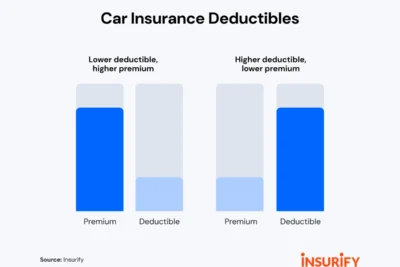
Insurance Deductibles: Should You Choose High or Low to Save Money?

Surplus Lines Insurance: What Happens When Standard Carriers Say No
Leave a Reply