

How Rideshare Insurance Works for Uber and Lyft Drivers
How Rideshare Insurance Works for Uber and Lyft Drivers
In the rapidly growing gig economy, rideshare services like Uber and Lyft have become a popular source of income for many individuals. While driving for these platforms can be rewarding, it also comes with certain risks. Standard auto insurance policies often don't cover rideshare activities, which is why understanding rideshare insurance is crucial for drivers. In this article, we will explore how rideshare insurance works, its importance, and the different coverage options available for Uber and Lyft drivers.
Index
What is Rideshare Insurance?
Rideshare insurance is a specialized type of auto insurance designed for drivers who use their personal vehicles to transport passengers for rideshare companies. Unlike traditional auto insurance, which may not cover incidents that occur while a driver is logged into a rideshare app, rideshare insurance fills this gap by providing essential coverage during rideshare activities.
Why Do Rideshare Drivers Need Insurance?
Many personal auto insurance policies exclude coverage for rideshare activities, leaving drivers vulnerable in case of an accident. Here are some key reasons why rideshare drivers need specific coverage:
- Liability Protection: If you're involved in an accident while transporting passengers, you can be held liable for damages and injuries. Rideshare insurance provides liability coverage to protect you financially.
- Comprehensive and Collision Coverage: In the event of an accident, comprehensive and collision coverage can help pay for repairs to your vehicle, regardless of fault.
- Gaps in Coverage: Rideshare insurance ensures that there are no gaps in coverage when transitioning between personal use and rideshare use of your vehicle.
How Rideshare Insurance Works
Rideshare insurance typically provides coverage in three different periods, corresponding to the phases of a rideshare driver’s activity:
Period 1: App On, Waiting for a Ride
During this phase, you are logged into the rideshare app but have not yet accepted a ride request. In many cases, personal auto insurance may not provide coverage during this period. Rideshare insurance will offer liability coverage if you are involved in an accident while waiting for a ride request.
Period 2: Ride Accepted to Drop-Off
Once you accept a ride request and are en route to pick up or drop off a passenger, rideshare insurance provides full coverage, similar to commercial auto insurance. This includes:
- Liability coverage for damages to other vehicles and injuries to passengers or other parties.
- Comprehensive and collision coverage for your vehicle, regardless of fault.
Period 3: App Off
When you are not logged into the rideshare app, your personal auto insurance policy generally applies. This means that if you are involved in an accident while using your vehicle for personal reasons, your personal coverage will kick in. However, it’s important to ensure that your personal policy offers comprehensive and collision coverage for your vehicle.
Types of Rideshare Insurance Coverage
There are various types of coverage options available to rideshare drivers:
- Liability Coverage: Mandatory for all drivers, this covers damages you cause to others in an accident.
- Collision Coverage: This pays for damage to your vehicle resulting from a collision, regardless of fault.
- Comprehensive Coverage: This covers damages to your vehicle from non-collision incidents, such as theft, vandalism, or natural disasters.
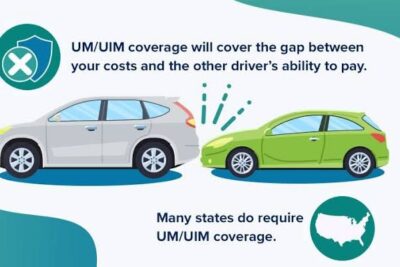
- Uninsured/Underinsured Motorist Coverage: This protects you if you're involved in an accident with a driver who lacks sufficient insurance.
Choosing the Right Rideshare Insurance
When selecting rideshare insurance, consider the following factors:
- Coverage Options: Ensure the policy includes liability, collision, and comprehensive coverage for maximum protection.
- Cost: Compare rates from different providers to find a policy that fits your budget while providing adequate coverage.
- Provider Reputation: Look for insurance companies with a strong reputation for customer service and claims handling.
- Policy Flexibility: Choose an insurer that allows you to adjust coverage levels as your driving habits change.
Conclusion
Rideshare insurance is an essential consideration for anyone driving for Uber or Lyft. It provides critical coverage that protects you from financial loss while driving for a rideshare service. By understanding the different phases of rideshare driving and the types of coverage available, you can make an informed decision about the best insurance policy for your needs. Always consult with your insurance provider to ensure that you have the appropriate coverage to protect yourself on the road.
Best Ways to Insure Multiple Cars on the Same Household Policy

Can You Transfer Car Insurance to Another Person? A Step-by-Step Guide

Classic Car Insurance: Coverage Requirements and Valuation Rules

How a DUI Affects Your Auto Insurance for the Next 5 Years
Uninsured Motorist Coverage: Why You Can’t Afford to Skip It

Telematics Car Insurance: Do Track-and-Save Programs Really Work?
Leave a Reply