

Group Life Insurance Through Work: Is It Enough?
Group Life Insurance Through Work: Is It Enough?
When it comes to life insurance, many individuals rely on the coverage provided by their employer. Group life insurance is often seen as a convenient and cost-effective way to secure a financial safety net for loved ones. However, is this coverage sufficient? In this article, we will explore the ins and outs of group life insurance, its benefits and limitations, and how it compares to individual life insurance policies.
Index
Understanding Group Life Insurance
Group life insurance is a type of coverage offered by employers to their employees as part of a benefits package. It provides a lump-sum payment to beneficiaries in the event of the insured's death. This type of insurance is typically less expensive than individual policies, making it an attractive option for many workers.
Types of Group Life Insurance
- Term Life Insurance: This is the most common type of group life insurance. It provides coverage for a specific period, often the duration of employment. If the employee passes away during this period, the beneficiaries receive a death benefit.
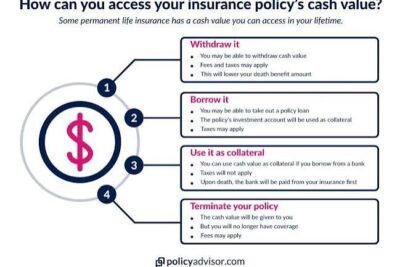
- Whole Life Insurance: Less common in group policies, whole life insurance offers coverage for the insured's entire life as long as premiums are paid. It also includes a cash value component.
Benefits of Group Life Insurance
Group life insurance comes with several advantages that can make it an appealing option for employees:
- Cost-Effective: Since group life insurance is typically subsidized by employers, it often comes at a lower cost than individual policies.
- No Medical Exam Required: Most group policies do not require medical underwriting, making it easier for employees with pre-existing conditions to obtain coverage.
- Automatic Enrollment: Many employers automatically enroll employees in group life insurance, ensuring that they have some level of coverage without needing to take any action.
- Basic Coverage: Group policies often provide a basic level of coverage, which can be a good starting point for employees who may not have considered life insurance otherwise.
Limitations of Group Life Insurance
While group life insurance has its benefits, it also comes with significant limitations that employees should be aware of:
- Limited Coverage Amount: Group policies often provide a death benefit that is a multiple of the employee's salary, which may not be sufficient for their family's needs. This amount can vary widely between employers.
- Job Dependency: The coverage typically ends when the employee leaves the company, whether due to job change, retirement, or layoffs. This can leave individuals without coverage when they need it most.
- Inflexibility: Group life insurance policies usually offer limited customization options, meaning employees cannot tailor their coverage to fit unique personal circumstances.
- Tax Implications: While the death benefit is generally tax-free, some aspects of the policy may have tax implications for the employee, especially if the coverage exceeds certain limits.
Should You Rely Solely on Group Life Insurance?
Deciding whether to rely solely on group life insurance depends on individual circumstances. Here are some factors to consider:
Financial Responsibilities
Evaluate your current financial responsibilities, including mortgages, debts, and dependents. If your group life insurance coverage is insufficient to cover these obligations, you may need to consider an individual policy to supplement it.
Health Considerations
For those with pre-existing health conditions, obtaining individual life insurance may be challenging and more expensive. In such cases, group life insurance can provide essential coverage, but it should not be the only plan in place.
Career Stability
Consider your job security and the potential for career changes. If you anticipate changes in your employment situation, having an individual life insurance policy can provide peace of mind and continuous coverage.
Supplementing Group Life Insurance
If you decide that group life insurance alone is not enough, here are a few options for supplementing your coverage:
- Individual Life Insurance: Purchasing a separate policy allows you to customize your coverage amount and type to better suit your needs.
- Additional Coverage Through Your Employer: Some employers offer the option to purchase additional life insurance at group rates. This can be a good compromise for those who want more coverage without the expense of an individual policy.
- Consider Other Insurance Types: Depending on your situation, exploring options like accidental death and dismemberment insurance (AD&D) may also be beneficial.
Conclusion
Group life insurance through work can be a valuable benefit, providing employees with essential coverage at a low cost. However, it's crucial to assess whether this coverage is enough to meet your family's financial needs. Understanding the limitations of group policies and considering supplemental options can help ensure that you have the protection necessary for peace of mind. Ultimately, investing in a comprehensive life insurance strategy that includes both group and individual policies may be the best way to secure your loved ones' financial future.
How Divorce Affects Your Health and Life Insurance Beneficiaries

Child Life Insurance Riders: Are They a Good Investment?

Accidental Death and Dismemberment (AD&D) Insurance Explained

Health Insurance Marketplace (Obamacare): Open Enrollment Deadlines

How to Prepare for a Life Insurance Medical Exam
Universal Life Insurance: Cash Value Growth and Associated Risks
Leave a Reply