

Comprehensive vs. Collision Insurance: Key Differences Explained
Comprehensive vs. Collision Insurance: Key Differences Explained
When it comes to protecting your vehicle, understanding the different types of auto insurance coverage is crucial. Among the most commonly discussed options are comprehensive and collision insurance. While both types of coverage are essential for safeguarding your investment, they serve distinct purposes. In this article, we'll delve into the key differences between comprehensive and collision insurance, helping you make informed decisions about your auto coverage.
Index
What is Collision Insurance?
Collision insurance is designed to cover damages to your vehicle resulting from a collision with another vehicle or object. This type of insurance is particularly valuable in scenarios where you are at fault in an accident or when the other driver is uninsured or underinsured.
Key Features of Collision Insurance
- Coverage for Vehicle Damage: Collision insurance pays for repairs to your car after a collision, regardless of who is at fault.
- Deductibles: Most policies include a deductible, which is the amount you agree to pay out of pocket before your insurance kicks in.
- Vehicle Valuation: The payout is based on the actual cash value of the vehicle at the time of the accident, minus the deductible.
What is Comprehensive Insurance?
Comprehensive insurance, on the other hand, covers a wide range of potential damages to your vehicle that are not the result of a collision. This type of coverage is sometimes referred to as "other than collision" insurance, as it encompasses various non-collision-related incidents.
Key Features of Comprehensive Insurance
- Coverage for Non-Collision Incidents: Comprehensive insurance protects against damages caused by events such as theft, vandalism, natural disasters, falling objects, and animal collisions.
- Deductibles: Like collision coverage, comprehensive insurance typically comes with a deductible that you must pay before the insurance coverage applies.
- Vehicle Valuation: The payout for comprehensive claims is also based on the actual cash value of the vehicle, minus your deductible.
Key Differences Between Comprehensive and Collision Insurance
While both comprehensive and collision insurance provide essential protection for your vehicle, they differ significantly in terms of coverage and circumstances. Here are the primary differences:
- Type of Damage Covered: Collision insurance covers damage resulting from accidents involving other vehicles or objects, while comprehensive insurance covers damage from non-collision events.
- Scenarios of Use: If you collide with another vehicle or a stationary object, you will utilize collision insurance. Conversely, if your car is stolen or damaged by a falling tree, comprehensive insurance would apply.
- Requirement for Coverage: Many lenders require collision insurance when financing a vehicle, whereas comprehensive coverage is often optional, unless specified by your lender.
Do You Need Both Coverages?
The decision to purchase both collision and comprehensive insurance depends on various factors, including the value of your vehicle, your driving habits, and your financial situation. Here are a few considerations:
- Vehicle Value: If you have a newer or high-value car, having both coverages is advisable to protect your investment fully.
- Driving Environment: If you live in an area prone to natural disasters, vandalism, or high traffic, comprehensive coverage can provide peace of mind.
- Financial Stability: If you can afford to pay for repairs out of pocket, you might consider opting for one type of coverage based on your needs.
Conclusion
In summary, comprehensive and collision insurance serve different purposes in protecting your vehicle. Collision insurance is focused on damages from accidents, while comprehensive insurance covers a broader range of incidents unrelated to collisions. Understanding these key differences can help you make informed choices when selecting your auto insurance coverage. Whether you decide to opt for one or both types of coverage, ensure you assess your personal circumstances and needs to secure the best protection for your vehicle.
Best Ways to Insure Multiple Cars on the Same Household Policy

Can You Transfer Car Insurance to Another Person? A Step-by-Step Guide

Classic Car Insurance: Coverage Requirements and Valuation Rules

How a DUI Affects Your Auto Insurance for the Next 5 Years
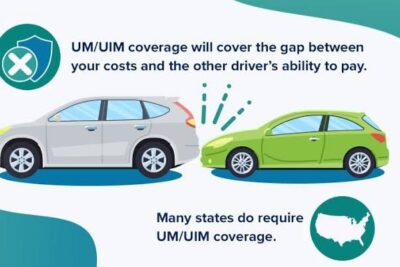
Uninsured Motorist Coverage: Why You Can’t Afford to Skip It

Telematics Car Insurance: Do Track-and-Save Programs Really Work?
Leave a Reply